
More international students than ever are applying for a second master's degree in the UK, some to pivot careers, some to build on an existing qualification, and many to extend their stay in the UK before moving into work.
If you already hold one master's degree and are wondering whether UK universities will accept you for another, the short answer is yes, but there are eligibility rules, visa time limits, and course choice conditions you need to get right before you apply for the 2026 intakes.
This guide breaks down who qualifies, how the UK Student visa "time cap" works, what a second master's costs, which scholarships are still open to you, and access to a working list of UK universities that are known to welcome second master's applicants, including several of Jeropath International's partner universities.
Why Consider a Second Master's Degree in the UK?
A second master's is rarely about repeating the first one, universities expect the new programme to sit in a related but distinct field.
Common, genuine reasons students give include:
- Changing career direction — for example, moving from an MBA into a specialised MSc in Finance, Data Analytics, or International Business.
- Deepening specialisation in a field the first degree only touched on.
- Extending a legal stay in the UK.
- Improving employability with a second, more UK-market-relevant qualification and a fresh Certificate of Sponsorship (CAS) from a new university.
The UK's academic reputation is the pull factor behind most of this: multiple UK universities sit inside the global top 10, one-year taught master's programmes are shorter (and cheaper overall) than the two year norm elsewhere, and a second, UK earned qualification still carries real weight with employers and future visa sponsors.

Who Is Eligible for a Second Master's in the UK?
Yes — international students can pursue a second (or even third) master's degree in the UK, as long as they meet standard eligibility rules. Universities and UK Visas and Immigration (UKVI) generally expect the following:
- Proof you completed your first master's — an official transcript or degree certificate from the awarding university.
- A new course that is different from, but related to, your first degree — for example, an MBA graduate moving into MSc Finance or MSc International Business, rather than repeating an MBA.
- A genuine academic or career reason for specialising further, since admissions tutors and visa caseworkers may ask why your first master's didn't already meet your goals.
- Sufficient funds to cover tuition and maintenance costs, exactly as with a first master's application.
- Payment of the Immigration Health Surcharge (IHS) and a valid, unconditional Certificate of Sponsorship (CAS) from your new university.
- English language proficiency evidence (IELTS, TOEFL, PTE, or an accepted equivalent) unless you're exempt.
UK Student Visa Time Limits for a Second Master's
The main technical hurdle isn't academic, it's the Student visa "time cap."
The Home Office limits how long you can study at degree level (RQF level 6 and above) in the UK on a Student visa, and a second master's counts toward that same overall cap even when the course itself is visa exempt from the limit.
- Standard taught master's courses currently run up to roughly 28 months of Student visa leave, which typically translates to about 32 months of visa time once pre-course and wrap-up periods are included.
- You must apply for your new Student visa before your current one expires, you don't need to leave the UK first if you apply in time, and you can remain in the UK lawfully while the Home Office processes the extension.
- Apply early: aim for 3–4 months before your current course or Graduate Route permission ends, since unconditional offers, CAS issuance, and financial evidence all take time to arrange.
- Overstaying a visa — even briefly, is treated as a serious immigration breach and can jeopardise future UK applications, so build in a buffer rather than cutting it close.
One important update worth flagging to students: under revised Graduate Route (Post-Study Work) rules, the post study work period is being shortened from two years to 18 months for undergraduate and postgraduate students whose visas are granted after 1 January 2027 (PhD graduates keep the existing three-year allowance).
Students planning a second master's as a bridge into the Graduate Route should factor this change into their timeline. Because visa policy shifts frequently, always confirm the current rules on GOV.UK or with a licensed immigration adviser before applying.

Can You Get a Scholarship for a Second Master's?
Funding is more limited the second time around, but it isn't off the table. Worth checking:
- University specific scholarships and international student fee discounts (many of Jeropath's partner universities offer alumni or loyalty discounts for returning postgraduate students).
- Department level bursaries tied to your specific new subject area.
- External scholarships such as Commonwealth Scholarships or Chevening, though many of these explicitly restrict eligibility for applicants who already hold a master's degree, so read the small print carefully.
- Employer sponsorship, especially if the second master's supports a documented career or role change.
- Charitable and private funding bodies connected to your field of study.
Because eligibility criteria vary so much by scholarship, it's worth having Jeropath's counsellors cross check your target programmes against current funding opportunities before you commit to an application.
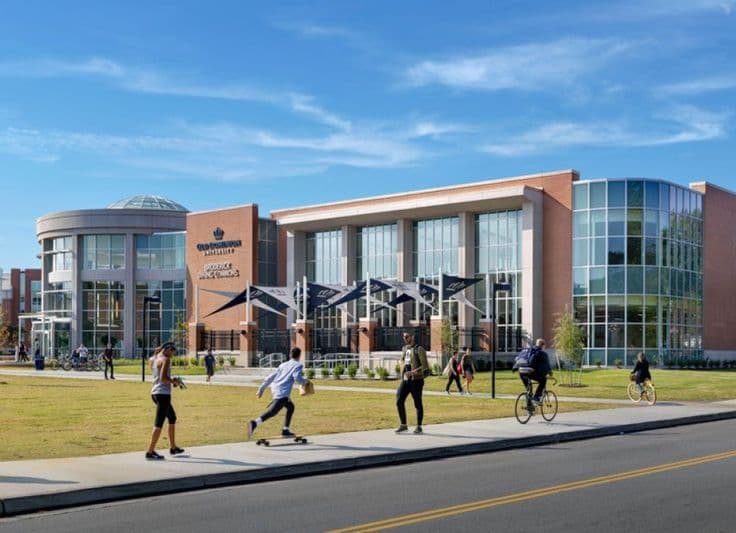
Universities That Accept a Second Master's Degree in the UK (2026)
There is no official "approved list", admission for a second master's is a course-by-course decision made by each university's admissions team, based on your academic history and how well the new subject fits your profile.
In practice, the vast majority of UK universities will consider a well justified second master's application, contact us to get the most consistently welcoming universities for returning postgraduate applicants, including several of Jeropath's partner institutions
Because entry requirements, scholarship eligibility, and course fit change every intake, the safest approach is always to verify current admission requirements directly on the university's official course page, or to have a Jeropath counsellor confirm on your behalf before you submit an application.
Benefits and Challenges to Weigh Up
Benefits
- Exposure to world class faculty, research, and rigorous academic standards.
- A diverse, multicultural student community that broadens your professional network.
- Genuine networking and internship opportunities tied to the UK's business and innovation ecosystem.
- Access to well funded research facilities, labs, and postgraduate resources.
Challenges
- Higher overall cost of living, particularly in London and other major cities — factor this into your budget alongside tuition.
- A visa process that takes real time and paperwork to get right.
- More competitive admissions at higher-ranked universities, especially if your first master's is in an unrelated field.
How to Decide If a Second Master's Is Right for You
Before committing to a second master's in the UK, work through these questions with a counsellor:
- Accreditation and reputation — is the programme and institution properly accredited and respected in your target field?
- Programme fit — does the course structure, content, and assessment style genuinely build on (not repeat) your first degree?
- Financial return — will the added qualification and any extra time in the UK justify the extra tuition, living costs, and IHS payment?
- Visa runway — how much Student visa time do you have left under the time cap, and does your timeline realistically fit?
- Support available — does the university offer strong careers support, research facilities, and international-student services?
- Location and lifestyle — some cities are significantly cheaper to live in than London while still offering strong postgraduate programmes.
Frequently Asked Questions
Can international students do two master's degrees in the UK?
Yes. As long as you meet each university's admission requirements and stay within your Student visa's overall study time limit, pursuing a second master's degree in the UK is permitted.
Can I get the Graduate Route (Post-Study Work) visa twice?
No — the Graduate Route can only be used once. If you've already used your post-study work permission after your first master's, you won't receive it again after a second one.
Can I apply for a second master's from inside the UK?
Yes, provided you apply for your new Student visa before your current visa expires.
Do I need to prove English proficiency again?
Generally yes, unless you qualify for an exemption. Most universities require a current IELTS, TOEFL, or equivalent score as part of a fresh application, even if you submitted one for your first master's.
What is the visa time limit for a second master's?
Standard taught master's courses currently run up to roughly 28 months of Student visa leave (around 32 months of total visa time). This limit is shared across all your postgraduate study in the UK, so check your remaining allowance before applying.

How Jeropath International Can Help
Choosing the right second master's — one that a university will genuinely welcome, that fits inside your remaining visa time, and that actually strengthens your career case — is exactly the kind of decision worth getting a second opinion on.
Jeropath International's counsellors work with partner universities across the UK, Canada, France, and Germany to match students with programmes that fit their goals, budget, and timeline, and to manage the visa and CAS process from application to arrival.
Ready to explore your second master's options? Book a free consultation with Jeropath International , call or send a direct whatsapp message to +2348119928147 to get matched with universities that fit your profile.
Sources & Further Reading
- Study In The UK From Nigeria
- UK: 7 in 10 universities report declining international postgraduate enrolments
- Student Visa - Extend Your Visa - https://www.gov.uk/student-visa/extend-your-visa
Note: UK visa and Graduate Route rules change periodically. Always confirm current requirements on GOV.UK or with a licensed immigration adviser before making application decisions.